
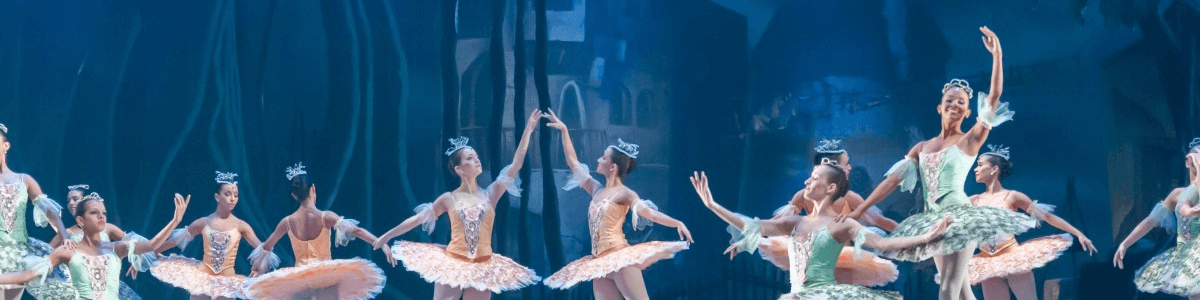
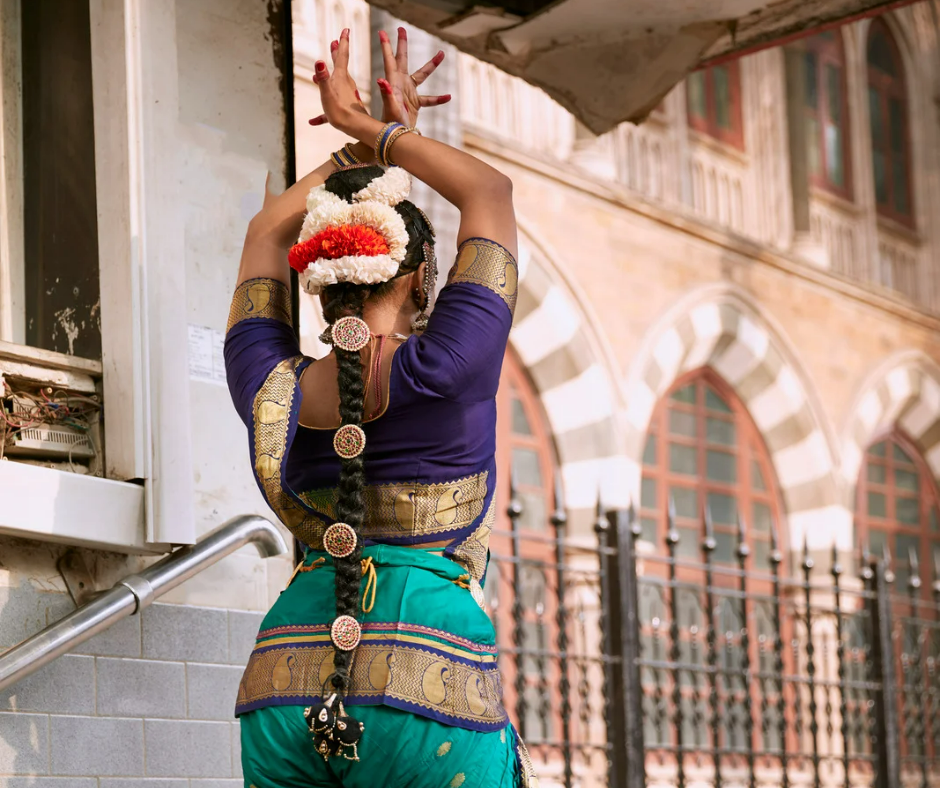
Get grooving with us through this blog while reading about dancing in our blog. Dance is a performing art form consisting of sequences of movement, either improvised or purposefully selected. This movement has aesthetic and often symbolic value. Dance can be categorized and described by its choreography, by its repertoire of movements, or by its historical period or place of origin.
An important distinction is to be drawn between the contexts of theatrical and participatory dance, although these two categories are not always completely separate; both may have special functions, whether social, ceremonial, competitive, erotic, martial, or sacred. Other forms of human movement are sometimes said to have a dance like quality, including martial arts, gymnastics, cheerleading, figure skating, marching bands and many more others.
This transcendence of the everyday may also be experienced by the spectators. Drawn into the rhythms and patterns created by the dancer’s movements, they may begin to share in the emotions being expressed through them. They may also experience kinesthetically something similar to the physical sensations of the dancer. Kinesthesia, or the awareness of the body through sensations in the joints, muscles, and tendons, rather than through visual perception, not only defines the dancer’s experience of his or her own body in movement but also the way in which dance exerts its power over the spectators, who not only see it but also feel an echo of the dancer’s movements and rhythms in their own nerve endings.
Tribal Dances in India are inspired by the tribal folklore. Each ethnic group has its own distinct combination of myths, legends, tales, proverbs, riddles, ballads, folk songs, folk dance, and folk music.[110]
The dancers do not necessarily fall rigidly into the category of “tribal”. However, these forms of dance closely depict their life, social relationships, work and religious affiliations. They represent the rich culture and customs of their native lands through intricate movements of their bodies. A wide variation can be observed in the intensity of these dances. Some involve very slight movement with a groovier edge to it, while others involve elevated and vigorous involvement of limbs.