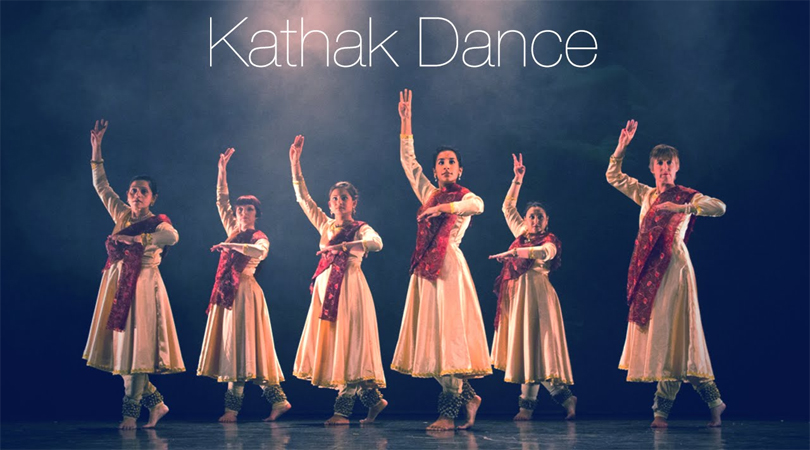
Dance is a performance art form and a consistent movement with aesthetic and symbolic values in India. Dance in India has generally classified as classical or folk dance where different forms of dances have originated from different parts of the country. There are many awe-inspiring dance forms as India has thousands of years old tradition of fine arts and classical and folk dances. Therefore, below are the 5 most famous classical dance forms that originated in India; Odissi of Orissa, Kuchipudi of Andhra Pradesh, Manipuri of Manipur, Kathakali of Kerala and Bharatnatyam of Tamil Nadu.
Dance in India comprises numerous styles of dances, generally classified as classical or folk.[1] As with other aspects of Indian culture, different forms of dances originated in different parts of India, developed according to the local traditions and also imbibed elements from other parts of the country.[2]
Sangeet Natya Academy, the national academy for performing arts in India, recognizes eight traditional dances as Indian classical dances,[3] while other sources and scholars recognize more.[4][5] These have roots in the Sanskrit text Natya Shastra,[1] and the religious performance arts of Hinduism.[6][7][8]

Mohiniyattam at Kannur district school kalothsavam 2019
Folk dances are numerous in number and style and vary according to the local tradition of the respective state, ethnic or geographic regions. Contemporary dances include refined and experimental fusions of classical, folk and Western forms. Dancing traditions of India have influence not only over the dances in the whole of South Asia, but on the dancing forms of South East Asia as well. Dances in Indian films, like Bollywood Dance for Hindi films, are often noted for freeform expression of dance and hold a significant presence in popular culture of the Indian subcontinent.